
The 4th largest island in the World
We are pleased to introduce you the « 4th largest island in the World »: #MyMadagascar
Separated from the mainland Gondwana some 160 million years ago, Madagascar is located in the Indian Ocean, 400km off the eastern coast of Africa.
To have an overview of this 4th largest island of the world, after Groenland, New Guinea and Borneo, Madagascar has roughly the size of the two and a half of the U.K.
Its length, from North to South is about 1,500km, and from East to West, its width is around 500km. The island is surrounded by 5,000km of coastline.
Madagascar, Sanctuary of Nature
Often called as a « Sanctuary of Nature », Madagascar is exceptionally known for its high rates of #endemicity on #biodiversity :
- 95% reptiles,
- 89% plants life,
- 92% mammals … exist nowhere else on Earth but here.
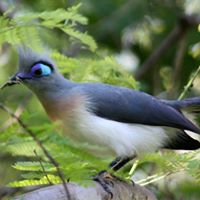
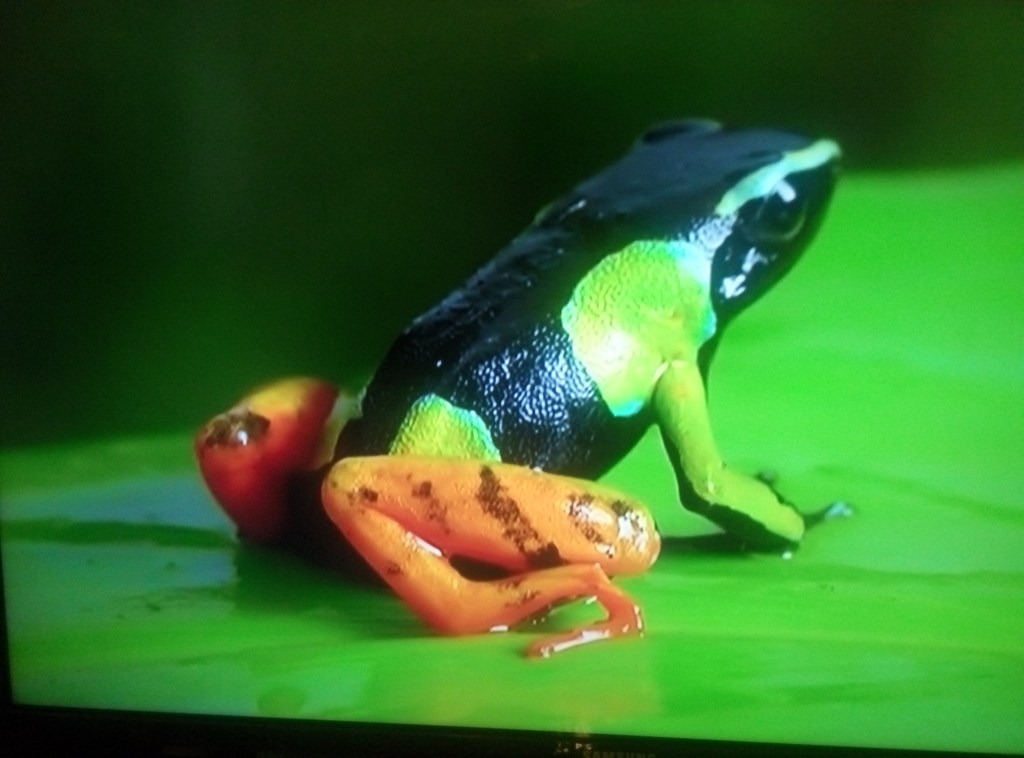
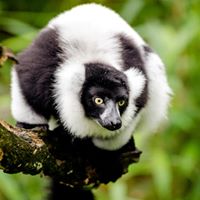
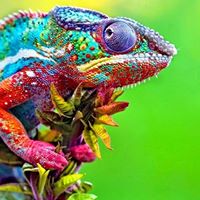
Amongst the fauna, we have the iconic Lemurs (more than 100 endemic species), chameleons and frogs, birds, …
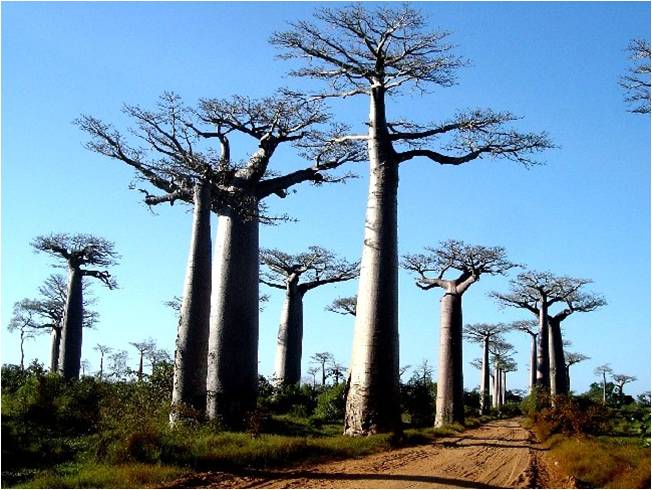
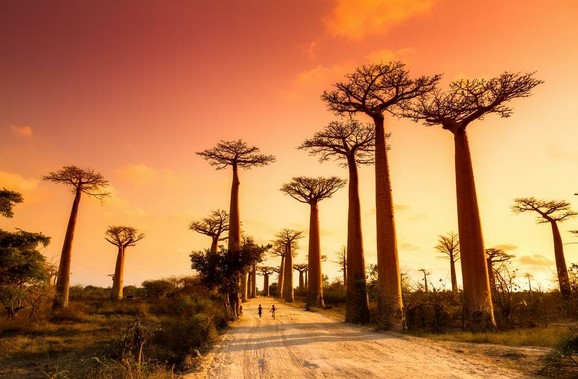
Amongst the flora and plant life, we can quote as an example: the majestic baobab (six out of eight existant for the entire planet are endemic to Madagascar).
We have also orchidea, Ravinala or the traveler’s palm.




Madagascar, The Island of Contrast
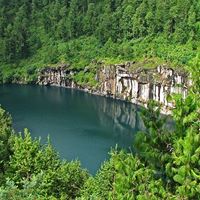
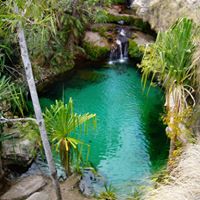
In addition to this abundance on #biodiversity, #Madagascar is also known as « an Island of Contrast » : for its stunning diversity of #landscapes, the multitude of amazing people and #Culture
From the Capital, the hub from which to visit all parts of the island, the main international airport lays in Antananarivo. However, the island can be visited by road.
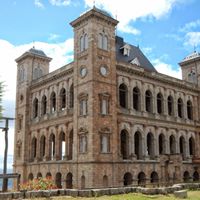
- We have the Central Highlands, which are characterised by mountains, often sacred and tombs; terraced ricefield similar to the Asian ricefield; traditional red clay houses; handcrafts made by recycled materials.
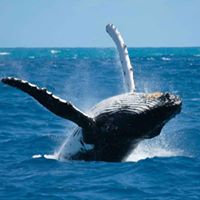
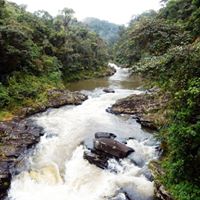
- The East part, represents the rainforest and lemurs. But also it is represented by tropical fruits, here we have the beautiful litchi tree, fragrance of coffee. And of course, the migration of the humpback whales …
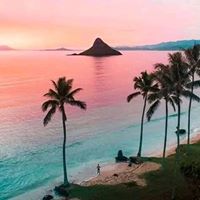
- The West pictured the crossing of the Tsiribihina river. It is also the kingdom of Baobabs, home of the Tsingy de Bemaraha and its dry forest. We can find also in the West, lagoons and coral reefs from Belo sur Mer until Salary in the South.
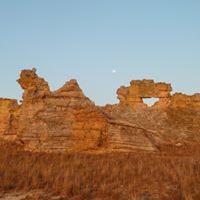
- The South, is famous for its national road 7 and the Isalo sandstone massif; or its spiny forest, or for the species of tortoises in the Great Sough.
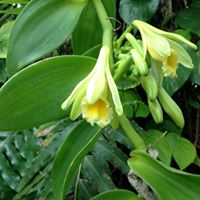
- And finally the North illustrated by kaleidoscope of colors and feelings for example: the Red and Grey Tsingy, the Green rainforest of Montagne d’Ambre, the Blue lagoons of archipelagoes; and not forget the smell of the vanilla scents of the Ylang-ylang fragrance.



When is the best period to come to Madagascar?
As a tropical destination with its tropical climate, Madagascar can be visited all year long. There are 2 distinct seasons:
- Dry season (April-December)
- Wet season (January-March)
Wildlife watching period: September- December
Humpback whales watching period: June – September
Plenty of lush green foliage: April – May
Birdwatching, abundance of endemic and migratory species: August- September
Combining lemur watching and beach holidays: hot and relatively dry weather
Reasons to visit Madagascar
The top reasons to visit Madagascar:
- Huge diversity of Landscapes: from the Center, the North to the South,
- an Abundance of Wildlife and Endemic Biodiversity: high rates of species that are not found nowhere else on Earth,
- do not mention the wonderful beaches and lagoons
- Welcome and friendly people known throughout the world
- and finally its tropical climate that makes the island open for visits all year long.
 KoloTours Madagascar